



The Morning Call
Just when Egypt’s crucial tourism sector was recovering from the 2011 revolution, a 2013 coup and consistent Islamist threats, the billion dollar industry finds itself preparing for a possible attack from the new coronavirus.
Egypt’s sudden declaration of 45 new coronavirus cases from the single ship, a drastic spike from its previous countrywide record of three, sparked fears the disease was far more widely spread in the country of 100 million people.
Luxor, home to the iconic Valley of the Kings and Tutankhamen’s tomb, is now the center of the country’s COVID-19 outbreak. Last weekend, 45 passengers and crew members aboard the cruise ship, ‘A Sara’, tested positive for the virus. On Sunday the government confirmed the country’s and Africa’s first fatality from the illness. The North African nation had reported 59 infections by Wednesday.
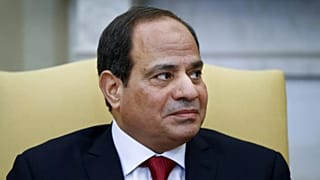
Despite this, the tourism and antiquities minister Khaled al-Anany and Egyptian officials continue to be reassuring. However, under President Abdel Fattah el-Sisi, media has often been muzzled and the government has repeatedly hidden the truth. A major example is when it refused to admit that an Islamic State bomb brought down a Russian jetliner over Sinai in 2015. Egyptians and foreign tourists alike therefore have reason to be skeptical that the government is revealing all the facts.
Is the Egyptian government being truly transparent or is it protecting it’s economic jewel?
A question posed by host Nyasha K Mutizwa.
![Africanews celebrates fifth anniversary [Night Shift]](https://static.euronews.com/articles/stories/05/57/72/74/320x180_cmsv2_6b1e7837-a917-526b-b3b4-4582a3f8bcac-5577274.jpg)
![Africanews celebrates fifth anniversary [Morning Call]](https://static.euronews.com/articles/stories/05/57/72/70/320x180_cmsv2_a6c857d4-80a3-510a-88e6-f060ea8d9ee9-5577270.jpg)

 Post your comment on Twitter with
 Sms or Whatsapp us to (+242) 064 77 90 90
 Email us on
  Leave a voice message


00:51
Uganda says it plans to cut external budget support by 84 per cent
01:55
One year into M23 control, residents are struggling to get by in DRC's eastern capital
01:51
In Ivory Coast, cocoa farmers have nobody to sell their produce to
00:50
Ghana's multidimensional poverty rate declines for third consecutive quarter
Go to video
Salah returns as Liverpool push for champions league last-16 spot
00:29
Africa tourism up by 8% as global tourism hits record high